
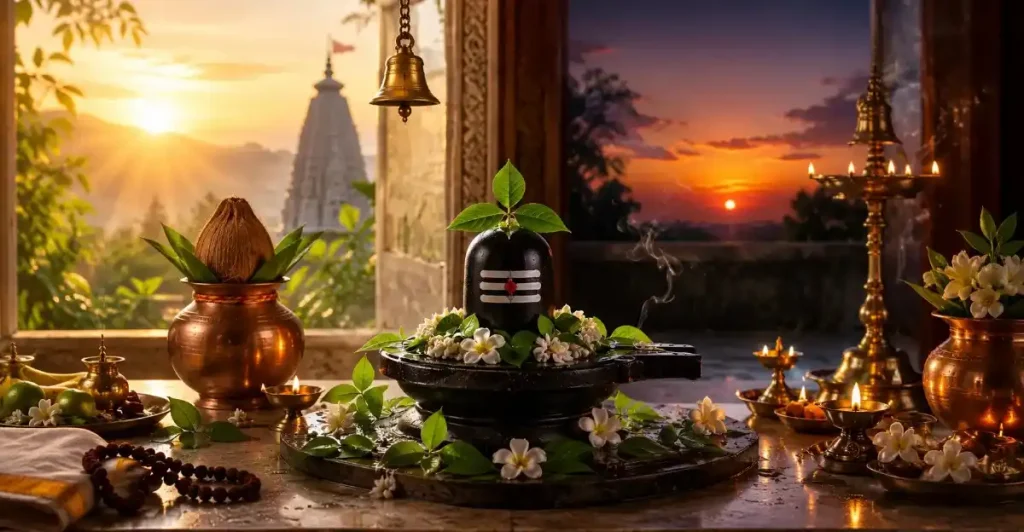
Every year, as the monsoon clouds roll in, millions of devotees across India turn their attention to one question: what is the correct Sawan Somwar Puja Vidhi, and should it be performed in the morning or evening? Sawan, the holy month dedicated to Lord Shiva, is considered one of the most spiritually charged periods in the Hindu calendar, and Mondays (Somwar) falling within this month hold special significance. Whether you’re a lifelong devotee or someone observing Sawan Somwar for the first time, understanding the right timing and method can make your worship more meaningful. In this guide, we’ll walk through both morning and evening puja traditions, compare their benefits, and give you a practical, step-by-step approach you can follow at home.
What Is Sawan Somwar Puja Vidhi?
Sawan Somwar Puja Vidhi refers to the specific set of rituals, prayers, and offerings performed on Mondays during the Sawan month to worship Lord Shiva. This tradition is rooted in the belief that Monday is Shiva’s favored day, and Sawan is the month he is believed to be most accessible to his devotees.
The puja typically includes an abhishek (ritual bathing of the Shiva Linga), offering of bilva leaves, fasting, chanting of mantras, and reciting the Sawan Somwar Vrat Katha. While the core elements remain the same, the timing of the puja—morning or evening—can influence the overall experience and, according to many pandits, the spiritual outcome.
Why Timing Matters in Sawan Somwar Puja Vidhi
Hindu scriptures place great emphasis on muhurat, or auspicious timing, for any religious activity. The Sawan Somwar Puja Timing and Muhurat is not just a matter of convenience; it is believed to align the devotee’s energy with the cosmic rhythms considered most favorable for worship.
- Morning is associated with purity, a calm mind, and the Brahma Muhurat, considered ideal for spiritual practices.
- Evening puja, performed during Pradosh Kaal, is linked to Lord Shiva’s cosmic dance and is believed to be powerful for seeking his blessings after a day of fasting.
Both timings have scriptural backing, so the “better” choice often depends on your personal routine, health, and family traditions.
Morning Sawan Somwar Puja Vidhi: An Overview
Why Choose Morning Puja
Morning worship is the most commonly practiced form of Sawan Somwar Puja Vidhi at Home. It’s performed right after waking up and bathing, ideally before sunrise or shortly after.
Benefits of morning puja include:
- A fresh, undistracted mind for chanting and meditation
- Alignment with Brahma Muhurat, considered highly sacred
- Sets a spiritually focused tone for the entire day
- Easier to combine with daily fasting rituals from sunrise onward
Morning Sawan Somwar Puja Vidhi Step by Step
- Wake up early and take a bath, ideally before sunrise.
- Wear clean, preferably white or light-colored clothes.
- Clean the puja area and place a Shiva Linga or Shiva idol.
- Begin the Sawan Somwar Abhishek Vidhi by pouring water, followed by milk, curd, honey, and ghee over the linga.
- Offer bilva patra, white flowers, and dhatura.
- Light a diya and incense sticks.
- Chant “Om Namah Shivaya” and other Sawan Somwar Puja Mantra recitations at least 108 times using a rudraksha mala.
- Read or listen to the Sawan Somwar Vrat Katha.
- Perform aarti and distribute prasad among family members.
Evening Sawan Somwar Puja Vidhi: An Overview
Why Choose Evening Puja
Evening puja is performed during Pradosh Kaal, roughly 45 minutes before and after sunset. Many devotees, especially working professionals, find this timing more practical since it doesn’t require altering their morning schedule.
Benefits of evening puja include:
- Coincides with Pradosh Kaal, considered highly auspicious for Shiva worship
- Ideal for those who fast the entire day and break their vrat post-puja
- Allows the whole family to gather together after work or school
- Believed to help remove obstacles and negative energy accumulated during the day
How to Do Sawan Somwar Puja in the Evening
- Take a short bath or wash your hands, feet, and face before the puja.
- Light a diya as the sun begins to set.
- Repeat the abhishek process with water and other sacred items.
- Offer bilva leaves and seasonal flowers.
- Chant the Sawan Somwar Puja Mantra and perform a brief meditation.
- Conclude with aarti, followed by breaking the fast with satvik food.
Sawan Somwar Puja Samagri List
Regardless of the time you choose, having the right materials ready makes the ritual smoother. Here’s a basic Sawan Somwar Puja Samagri List:
- Shiva Linga or idol
- Gangajal (holy water)
- Raw milk, curd, honey, ghee, and sugar (for panchamrit abhishek)
- Bilva patra (bel leaves)
- White flowers and dhatura
- Incense sticks and diya
- Camphor for aarti
- Rudraksha mala for chanting
- Fresh fruits and sweets as prasad
Keeping this list handy in advance, especially during the peak Sawan weeks, saves you from last-minute scrambling.
Sawan Somwar Vrat Puja Vidhi and Fasting Rules
Fasting is an integral part of Sawan Somwar observance. The Sawan Somwar Fasting Rules vary slightly by region and personal capacity, but general guidelines include:
- Avoiding grains, non-vegetarian food, and alcohol
- Eating only fruits, milk, or specific fasting foods like sabudana or singhare ka atta
- Some devotees observe a complete “nirjala” (waterless) fast, though this is optional and depends on health
- Breaking the fast only after completing the puja and offering prasad to Lord Shiva
It’s important to listen to your body. If you have health conditions like diabetes or low blood pressure, consult a doctor before undertaking a strict fast.
First Sawan Somwar Puja Vidhi: Special Considerations
If this is your First Sawan Somwar Puja Vidhi, don’t feel overwhelmed. Start simple:
- Focus on sincerity over elaborate rituals
- Learn the basic mantras beforehand
- Keep the puja samagri list ready a day in advance
- Choose either morning or evening based on what fits your schedule, rather than forcing an unfamiliar routine
Many first-time devotees find it helpful to attend a nearby temple for guidance before performing the Sawan Monday Puja Rituals independently at home.
Morning vs Evening: Which Is Truly Better?
There is no single “correct” answer here. Scriptures support both timings, and the Sawan Somwar Vrat Katha and Puja Vidhi can be performed effectively at either time as long as it’s done with devotion and discipline.
- Choose morning puja if you value routine, a calm environment, and want to start your day with spiritual focus.
- Choose evening puja if your schedule is packed during the day, or if you want to align with Pradosh Kaal energy.
Ultimately, the Sawan Somwar Puja Vidhi you follow should suit your lifestyle while honoring the core rituals of devotion, cleanliness, and sincerity.
Read More:
- Shiv Pooja Vidhi in Sawan Month for Beginners with Easy Rituals
- Different Types of Rudrabhishek Puja and Their Spiritual Benefits
- Rudrabhishek Puja in Sawan Month for Health, Wealth, and Prosperity
- How to Do Shiv Puja on Monday at Home: A Step-by-Step Guide
- Why Rudrabhishek Puja in Sawan Month Is Considered Most Powerful
FAQs:
1. Is morning or evening better for Sawan Somwar Puja?
Honestly, neither is “better.” Morning feels calmer and fits Brahma Muhurat, while evening lines up with Pradosh Kaal. Pick whichever slot you can show up for consistently — that matters more than the clock.
2. Can I skip a priest and do this puja myself at home?
Absolutely. Most households do exactly that. As long as you’ve got your samagri ready and chant with focus, a priest isn’t required. Shiva worship has always been simple at its core.
3. What if I can’t fast the whole day strictly?
That’s okay. A partial fast done with genuine intent still counts. Don’t force a waterless fast if your health doesn’t allow it — devotion isn’t measured by how much you deprive yourself.
4. I’m doing my first Sawan Somwar puja — any quick advice?
Keep it simple. Learn “Om Namah Shivaya,” gather bilva leaves and milk in advance, and don’t stress about perfection. Your first attempt doesn’t need to look like a priest’s routine.
5. Does the Vrat Katha really need to be read every time?
It’s traditional and adds meaning, but if you’re short on time some weeks, a quick mental recollection of the story is fine. The mantra chanting and abhishek carry most of the ritual’s weight.