
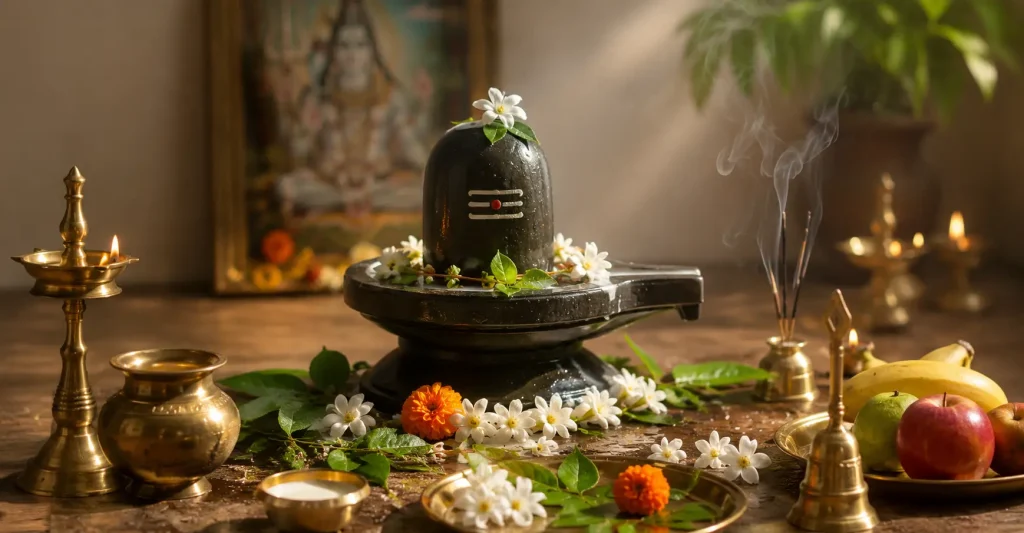
If you’ve grown up in an Indian household, chances are you’ve watched a parent or grandparent light a diya and offer water to a Shiva Lingam every Monday morning. That quiet, unhurried ritual is more than tradition, it’s a practice many people turn to for calm and clarity in an otherwise chaotic week. If you’re wondering how to do Shiv Puja on Monday at home, this guide breaks the entire process down into simple, practical steps you can follow without needing a priest or prior experience. Whether you’re doing this for the first time or want to refine an existing routine, you’ll find everything you need right here.
Understanding Monday Puja for Lord Shiva
Monday, known as Somvar, is traditionally associated with Lord Shiva across Hindu households. The connection comes from the belief that Shiva governs the moon, and the moon in turn influences human emotions and mental state. That’s why Lord Shiva Monday worship is often linked to seeking mental peace, emotional stability, and inner strength.
Somvar Shiv Puja isn’t just a religious obligation for most families, it’s a weekly reset. People use this day to pause, reflect, and reconnect with something larger than their daily routines. Understanding how to do Shiv Puja on Monday at home gives you a structured way to build this pause into your own life, even if you’re new to the practice.
Why This Weekly Shiv Puja Ritual Matters
You might ask, why dedicate an entire day to this practice every single week? There are a few reasons this has stayed relevant for generations.
- It creates a consistent spiritual habit rather than occasional, sporadic prayer
- Shiva worship on Monday is believed to help with health issues, delayed marriage prospects, and family harmony
- The ritual encourages mindfulness through focused actions like pouring water and chanting
- It gives families a shared activity that strengthens tradition and connection across generations
Many practitioners say that regular Monday Shiva worship guide practices, done consistently over months, bring a noticeable shift in patience and emotional resilience. It’s less about instant results and more about long-term grounding.
What You’ll Need for Shivling Puja on Monday
Before starting, gather the basic materials. None of these are difficult to find, and most Indian households already keep them at home.
- A Shivling or an image/idol of Lord Shiva
- Clean water, ideally from a fresh source
- Raw cow’s milk
- Bilva (Bel) patra leaves
- White flowers, particularly Dhatura or Aak if available
- A diya with ghee or til oil
- Incense sticks
- Vibhuti (sacred ash) or chandan (sandalwood paste)
- A small bell
- Fruits or sweets for prasad
You don’t need every single item to begin. Even a basic setup with water, a Bilva leaf, and sincere intention works well for a simple Shiva prayer on Monday.
How to Do Shiv Puja on Monday at Home: Step-by-Step
Here’s the core Shiv Puja Vidhi at home, broken into clear, manageable steps.
Step 1: Start Early and Cleanse Yourself
Wake up before sunrise if possible, take a bath, and wear clean, preferably light-coloured clothing. This physical cleansing is meant to prepare you mentally for the puja ahead.
Step 2: Prepare Your Puja Space
Clean the area around your Shivling or idol. Wipe away dust, remove old flowers, and arrange your items neatly. A tidy space naturally helps you feel more focused.
Step 3: Light the Diya and Incense
Light your oil lamp and incense sticks. This marks the beginning of the ritual and is thought to purify the surrounding atmosphere before the main worship begins.
Step 4: Perform Abhishekam
Slowly pour water over the Shivling, followed by raw milk. Pour gently and steadily, keeping your attention on the act rather than rushing through it. Some households also include honey, curd, or sugarcane juice at this stage.
Step 5: Offer Bilva Leaves and Flowers
Place Bilva leaves on the Shivling with the smooth side facing downward, as this is the traditionally preferred method. Follow with white flowers as an offering of purity.
Step 6: Apply Vibhuti or Chandan
Gently dab a small amount of sacred ash or sandalwood paste onto the Shivling. This step is a mark of respect and is often included in more detailed versions of the ritual.
Step 7: Chant the Mantra
Sit quietly and chant “Om Namah Shivaya” using a rudraksha mala, ideally completing 108 repetitions. If you’re short on time, even 11 or 21 rounds done mindfully hold value.
Step 8: Offer Prasad and Ring the Bell
Offer fruits or sweets while gently ringing the bell. This step is optional but commonly included as a closing gesture of devotion.
Step 9: Conclude with a Short Aarti
Finish with a brief aarti, expressing gratitude and asking for wellbeing, peace, and protection for your family. This closes the puja on a positive, complete note.
Following these nine steps consistently is really all you need to know about how to do Shiv Puja on Monday at home, whether you’re a beginner or simply refining your existing routine.
Common Mistakes to Avoid During Monday Puja Rituals
Even well-intentioned devotees sometimes make small errors that reduce the effectiveness of their practice.
- Using wilted or old flowers and leaves instead of fresh ones
- Rushing through the abhishekam without any real focus
- Skipping the pre-puja bath or cleansing step
- Chanting mantras mechanically without proper attention
- Forgetting to clean the puja space regularly
- Treating the ritual as a checklist rather than an act of devotion
Avoiding these mistakes makes a real difference in how meaningful and consistent your practice feels over time.
Expert Tips for a Better Somvar Shiv Puja
- Keep your puja timing consistent each week; the body and mind respond well to routine.
- Use a dedicated mala for chanting, separate from everyday use.
- If observing a fast, break it only after the evening prayers are complete.
- Don’t worry about perfect Sanskrit pronunciation as a beginner; sincerity matters more than accuracy at first.
- If mornings don’t work for your schedule, evening Shiva prayer on Monday is equally acceptable.
- Keep a simplified 10-minute version ready for particularly busy weeks, so you don’t skip the practice entirely.
Read More:
- Why Rudrabhishek Puja in Sawan Month Is Considered Most Powerful
- Rudra Abhishek Pooja Benefits for Business Growth and Professional Success
- Savan Somvar Puja Vidhi: A Complete Step-by-Step Guide for Beginners
FAQs:
1. What is the correct Shiv Puja Vidhi at home for beginners?
Start with cleansing yourself, then offer water and milk to the Shivling, followed by Bilva leaves, flowers, and mantra chanting. Close with a short aarti. This basic structure works well for anyone just starting out.
2. Is it necessary to fast during Somvar Shiv Puja?
No, fasting is optional and depends on personal choice or family tradition. Many people perform full Monday puja rituals without fasting, especially if they have health conditions that make fasting difficult.
3. What time is best for Lord Shiva Monday worship?
Early morning, around sunrise, is traditionally preferred. However, evening worship is widely practiced too, particularly by working individuals who find mornings too rushed for a focused ritual.
4. Can I perform Shivling Puja on Monday without owning a Shivling?
Yes, a picture or small idol of Lord Shiva works just as well. The essence of Monday Shiva worship lies in devotion and intention, not necessarily in owning a physical Shivling at home.
5. How many times should I chant Om Namah Shivaya during puja?
108 times using a mala is the traditional recommendation, but beginners can start with 11 or 21 rounds. Consistency over weeks matters more than reaching a specific number immediately.
6. What flowers are best for Shiva worship on Monday?
White flowers are generally preferred, along with Dhatura and Aak where available. Avoid using Ketki or Kevड़ा flowers, as these are traditionally considered unsuitable for Shiva worship.
7. Can working professionals follow this Monday Shiva worship guide?
Absolutely. A simplified 10 to 15-minute version, focused mainly on water offering and mantra chanting, works well for people with limited time in the morning before heading to work.
8. Are there specific mistakes that reduce the effectiveness of Monday puja rituals?
Rushing through steps, using stale offerings, and chanting without focus are the most common issues. Approaching the ritual mindfully, even briefly, tends to matter more than covering every single traditional step.
9. Can women perform Shiv Puja on Monday during menstruation?
This depends on personal or family beliefs. Some traditional practices suggest pausing during this time, while many modern households see no restriction at all and continue their regular worship.
10. What if I miss a Monday and can’t complete the ritual?
That’s completely fine. Simply resume the following week without guilt. A consistent, long-term Weekly Shiv Puja Ritual matters far more than achieving a perfect, unbroken streak.
Final Thought:
Knowing how to do Shiv Puja on Monday at home turns a simple weekly ritual into a meaningful source of peace and discipline. From the Shiv Puja Vidhi to chanting and offerings, every step brings you closer to a calmer, more grounded mind. Start small, stay consistent, and let devotion guide your practice rather than perfection. For guided puja support, samagri kits, or expert help with your Somvar rituals, visit Puja Paath Hawan and make your Monday worship simple, complete, and truly meaningful.