
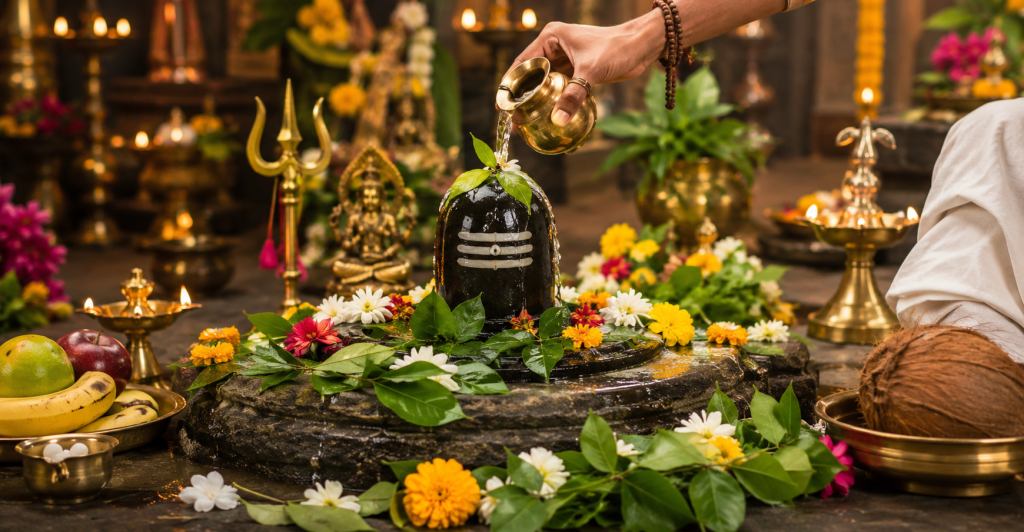
The sacred month of Sawan holds a special place in Hindu tradition, especially for devotees of Lord Shiva. Every Monday during this holy month is considered highly auspicious, and thousands of devotees observe fasting and perform special prayers to seek divine blessings. Understanding the Savan Somvar Puja Vidhi helps devotees perform each ritual with devotion, purity, and confidence. Whether you are observing the vrat for the first time or want to follow the traditional method correctly, this complete guide will help you learn the essential steps, important rituals, required puja materials, and spiritual significance of worshipping Lord Shiva during the sacred month of Sawan.
What is Savan Somvar Puja?
Savan Somvar Puja Vidhi refers to the traditional method of worshipping Lord Shiva on Mondays during the sacred month of Sawan. Since Monday is considered Lord Shiva’s favorite day, devotees observe fasting, perform abhishek, chant mantras, and offer sacred items to seek divine blessings.
The tradition has been followed for centuries and is mentioned in various Hindu scriptures. Many unmarried women observe the vrat to seek an ideal life partner, while married couples pray for happiness, harmony, and family well-being.
The puja is not limited by age or experience. Anyone with sincere devotion can perform it at home or visit a Shiva temple during the Shravan month.
Why is Sawan Somvar So Important?
Spiritual Significance
According to Hindu beliefs, the month of Sawan is especially dear to Lord Shiva. During this period, the spiritual energy is believed to be highly positive, making prayers more effective and beneficial.
Devotees believe that worshipping Shiva during Sawan helps:
- Remove negative energy
- Bring inner peace
- Reduce life obstacles
- Improve mental strength
- Increase spiritual awareness
- Receive divine blessings
Religious Importance
The legend of Samudra Manthan explains that Lord Shiva consumed the deadly poison Halahala to protect the universe. To reduce the effect of the poison, devotees began offering water, milk, and sacred leaves to Lord Shiva. This tradition continues today as an essential part of Lord Shiva Puja in Sawan.
Benefits of Observing Savan Somvar Vrat
Observing Savan Somvar Vrat is considered highly auspicious. While the rituals strengthen religious faith, they also encourage self-discipline and spiritual growth.
Some commonly believed benefits include:
- Blessings of Lord Shiva and Goddess Parvati
- Peaceful family life
- Better concentration during prayer
- Improved emotional balance
- Success in personal and professional life
- Removal of negative influences
- Spiritual purification through fasting and devotion
Many devotees also experience a sense of mental calmness by spending time in prayer, meditation, and mantra chanting.
Essential Items Required for Shiv Puja Vidhi
Before beginning the puja, arrange all the necessary items to ensure the rituals are performed smoothly.
Basic Puja Samagri
- Shiva Lingam or Lord Shiva idol
- Gangajal
- Clean water
- Raw milk
- Honey
- Curd
- Ghee
- Sugar
- Bilva (Bel) leaves
- White flowers
- Datura flowers or fruit (if available)
- Bhasma or Vibhuti
- Sandalwood paste
- Akshat (unbroken rice)
- Incense sticks
- Camphor
- Cotton wicks
- Oil or ghee lamp
- Fruits
- Coconut
- Betel leaves
- Seasonal sweets
- Fresh cloth for the altar
Keeping the worship area clean and peaceful creates a positive atmosphere for prayer.
Preparing for Shravan Month Puja
Preparation is an important part of the worship.
Before beginning:
- Wake up early during Brahma Muhurta if possible.
- Take a bath and wear clean or traditional clothes.
- Clean the home temple thoroughly.
- Arrange the puja materials neatly.
- Sit facing east or north while performing the worship.
- Maintain a calm and positive mindset throughout the ritual.
Many devotees also observe silence for some time before starting the puja to improve concentration.
Step-by-Step Savan Somvar Puja Vidhi
Following the proper sequence helps maintain the traditional flow of worship.
Step 1: Take the Sankalp
Begin by offering water in your right hand and mentally make a sincere resolution to perform the puja with complete devotion. Mention your name and pray for the well-being of your family and yourself.
Step 2: Perform Abhishek
The Abhishek is one of the most important rituals in Sawan Somvar Puja Vidhi.
Offer the following one after another:
- Pure water
- Gangajal
- Milk
- Curd
- Honey
- Ghee
- Sugar
- Water again for purification
While offering each item, chant “Om Namah Shivaya” with complete concentration.
Step 3: Offer Bilva Leaves
Bilva leaves are considered extremely sacred for Lord Shiva.
While offering them:
- Use fresh leaves.
- Ensure all three leaflets remain attached.
- Place the smooth side facing upward.
- Offer with devotion while chanting Shiva mantras.
This simple offering is believed to please Lord Shiva immensely.
Step 4: Decorate the Shiva Lingam
Apply sandalwood paste and decorate the Shiva Lingam using:
- White flowers
- Akshat
- Bhasma
- Datura flowers
- Seasonal fruits
Avoid artificial decorations and focus on simplicity.
Step 5: Light the Diya and Incense
Lighting a lamp symbolizes the removal of darkness and ignorance.
Offer:
- Ghee diya
- Incense sticks
- Camphor during aarti
The pleasant fragrance creates a peaceful environment for meditation and prayer.
Step 6: Chant Shiva Mantras
Spend at least 15 to 30 minutes chanting sacred Shiva mantras.
Popular mantras include:
- Om Namah Shivaya
- Maha Mrityunjaya Mantra
- Shiva Panchakshari Mantra
Consistent chanting helps improve focus and strengthens spiritual discipline.
Step 7: Offer Naivedya
Offer seasonal fruits, sweets, and simple sattvic food to Lord Shiva before consuming anything yourself.
Many devotees prepare homemade prasad and later distribute it among family members and visitors.
Step 8: Perform Aarti
Conclude the worship with Shiva Aarti.
Pray with gratitude and seek blessings for wisdom, health, prosperity, and happiness.
After the aarti, distribute prasad respectfully to everyone present.
Sawan Monday Puja Fasting Rules
Many devotees observe fasting along with the puja.
Common fasting practices include:
- Consume only fruits and milk.
- Drink plenty of water.
- Avoid onion, garlic, and non-vegetarian food.
- Eat sattvic meals after sunset if following a partial fast.
- Maintain positive thoughts throughout the day.
- Avoid anger and unnecessary arguments.
- Spend time reading Shiva scriptures or listening to devotional songs.
The purpose of fasting is not merely avoiding food but practicing discipline, gratitude, and devotion.
Key Sawan Puja Rituals Every Devotee Should Follow
Apart from the main worship, several traditional practices are followed during Sawan.
These include:
- Visiting a Shiva temple every Monday.
- Offering water to the Shiva Lingam daily.
- Chanting “Om Namah Shivaya” 108 times.
- Reading Shiv Chalisa.
- Listening to stories related to Lord Shiva.
- Donating food or clothes to those in need.
- Feeding cows and birds.
- Practicing kindness and forgiveness.
These rituals help deepen one’s spiritual connection with Lord Shiva and make the observance of Sawan more meaningful.
Common Mistakes to Avoid During Savan Somvar Puja Vidhi
While devotion is the most important aspect of worship, following the rituals correctly helps preserve the traditional significance of the puja. Beginners often make small mistakes that can easily be avoided.
1. Performing the Puja Without Preparation
Arrange all the puja items before beginning. Searching for materials in the middle of the ritual can break your concentration and disturb the flow of worship.
2. Offering Damaged Bilva Leaves
Always use fresh Bilva (Bel) leaves with all three leaflets attached. Avoid dried, torn, or insect-damaged leaves while offering them to Lord Shiva.
3. Ignoring Cleanliness
Personal hygiene and a clean worship area are considered essential in Hindu traditions. Wear clean clothes and keep the temple space tidy before starting the puja.
4. Forgetting the Sankalp
A Sankalp is your spiritual intention. It reminds you why you are observing the vrat and strengthens your devotion throughout the ritual.
5. Treating the Fast as a Diet
The vrat is not only about avoiding food. It also involves self-control, positive thoughts, prayer, kindness, and spiritual discipline.
6. Rushing Through the Rituals
Take your time while offering water, chanting mantras, and performing the aarti. A peaceful mind enhances the spiritual experience.
Expert Tips for a Meaningful Sawan Shiv Puja
Whether you are observing the vrat for the first time or have been doing it for years, these practical suggestions can make your worship more fulfilling.
Create a Peaceful Environment
Switch off unnecessary distractions, play soft devotional music if you prefer, and maintain silence during the main rituals.
Chant with Understanding
Instead of repeating mantras mechanically, try to understand their meaning. This helps build a deeper spiritual connection with Lord Shiva.
Read Sacred Texts
Reading Shiv Chalisa, Shiva Ashtakam, or stories from Shiva Purana during the day adds spiritual value to your vrat.
Practice Charity
Helping those in need is considered an important part of Sawan worship. Donating food, clothes, or essentials reflects compassion, one of the core values of Lord Shiva’s teachings.
Involve Your Family
Performing the puja together creates a positive atmosphere at home and encourages children to learn about cultural traditions.
Maintain Consistency
If possible, observe all Mondays during the month of Sawan. Regular worship strengthens discipline and devotion.
Why Beginners Should Follow the Traditional Rituals
Many people worry about performing every ritual perfectly. However, Hindu scriptures repeatedly emphasize that sincere devotion is more valuable than elaborate ceremonies.
The purpose of Shravan Somvar Puja Vidhi is to develop faith, gratitude, and inner peace. Even a simple puja performed with a pure heart is believed to please Lord Shiva.
As you become familiar with the rituals, you can gradually include additional prayers, scriptures, and traditional practices according to your family’s customs.
FAQs:
1. What is the best time to perform Savan Somvar Puja?
The ideal time is early in the morning after taking a bath. Many devotees perform the puja during the Brahma Muhurta or shortly after sunrise. If morning worship is not possible, the puja can also be performed during the auspicious Pradosh period in the evening with complete devotion.
2. Can beginners perform Savan Somvar Puja at home?
Yes. Anyone can perform the puja at home with sincere faith. You only need basic puja materials, a Shiva Lingam or image of Lord Shiva, and a peaceful place for worship. Following the traditional steps with devotion is more important than arranging elaborate rituals.
3. Is fasting compulsory during Savan Somvar Vrat?
No. Fasting is a personal choice and depends on your health, age, and circumstances. Many devotees observe a full fast, while others consume fruits, milk, or sattvic food. The primary purpose is devotion, self-discipline, and spiritual growth rather than avoiding food alone.
4. Why are Bilva leaves offered to Lord Shiva?
Bilva leaves are regarded as one of the most sacred offerings for Lord Shiva. According to Hindu beliefs, they symbolize purity, devotion, and spiritual balance. Offering fresh Bilva leaves during the puja is believed to please Lord Shiva and invite his blessings.
5. Which mantra should be chanted during the puja?
The most widely chanted mantra is “Om Namah Shivaya.” Many devotees also recite the Maha Mrityunjaya Mantra and Shiva Panchakshari Mantra. Chanting these mantras with concentration helps create a peaceful mind and deepens spiritual devotion.
6. Can women perform Sawan Somvar Puja?
Yes. Women of all ages regularly observe Sawan Somvar Puja and vrat. Unmarried women often pray for a suitable life partner, while married women seek blessings for a happy, healthy, and harmonious family life. The rituals remain the same for everyone.
7. What food is allowed during Sawan Somvar Vrat?
Most devotees consume fruits, milk, curd, nuts, makhana, sabudana, vrat flour preparations, and other sattvic foods. Onion, garlic, non-vegetarian food, and alcohol are generally avoided throughout the fasting period.
8. Can the puja be performed without a Shiva Lingam?
Yes. If a Shiva Lingam is unavailable, devotees may worship an image or idol of Lord Shiva with equal devotion. Faith, sincerity, and proper prayers are considered more important than the form of worship.
9. How many Mondays should the vrat be observed?
Traditionally, devotees observe every Monday during the month of Sawan. Depending on the lunar calendar, there may be four or five Mondays. Some devotees continue observing Monday fasts throughout the year as a personal spiritual practice.
10. What are the main benefits of following Savan Somvar Puja Vidhi?
Devotees believe that regular worship during Sawan brings peace of mind, strengthens faith, removes obstacles, promotes family harmony, and attracts the blessings of Lord Shiva. Along with spiritual growth, the rituals also encourage discipline, compassion, and positive thinking in daily life.
Final Thoughts:
Every Monday in the month of Sawan offers an opportunity to reconnect with your spiritual self. Through prayer, fasting, mantra chanting, and acts of kindness, devotees strengthen their relationship with Lord Shiva while cultivating patience, discipline, and positivity.
Whether you perform the puja at home or visit a temple, consistency and sincerity matter more than perfection.
Visit us: https://pujapaathhawan.com/