
Sawan month holds a special place in the hearts of Lord Shiva devotees across India. During this sacred period, many families choose to perform Rudrabhishek Puja in Sawan Month for Health, believing that the ritual clears obstacles, heals the body, and brings lasting peace to the home. If you have ever wondered why this particular puja becomes so popular every monsoon, you are not alone. Millions of people turn to this ancient practice each year, not just out of tradition, but because they genuinely feel a shift in their physical and mental well-being afterward. In this article, we will walk through what Rudrabhishek is, why it matters so much during Sawan, and how you can perform it correctly for the best results.
What is Rudrabhishek Puja?
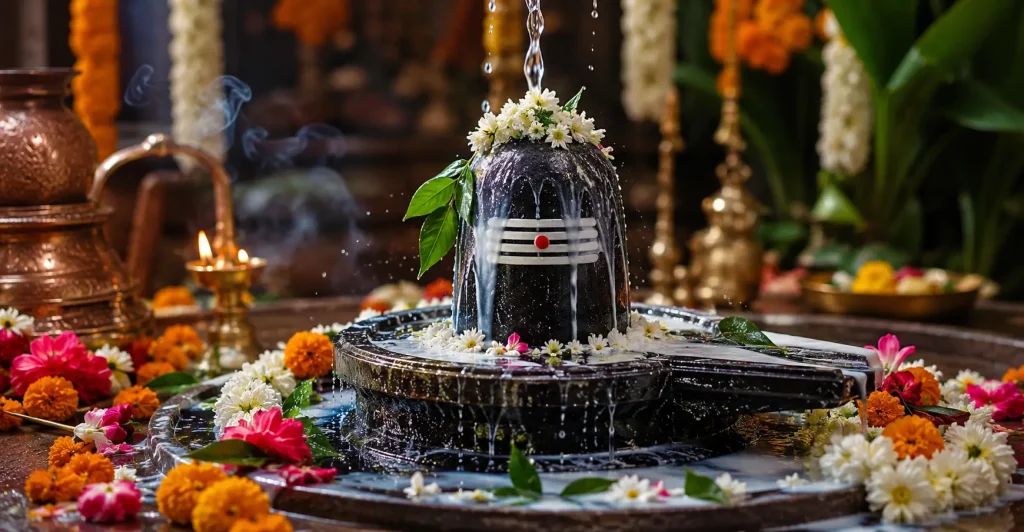
Rudrabhishek is a Vedic ritual where Lord Shiva’s idol or Shiva Lingam is bathed with sacred substances like water, milk, honey, curd, ghee, and Gangajal while Vedic mantras are chanted. The word “Rudra” refers to the fierce yet compassionate form of Shiva, and “Abhishek” means a ceremonial bath. Together, this puja is meant to invoke Shiva’s healing energy and remove negativity from a person’s life.
Priests usually chant the Rudra Chamak and Mahamrityunjaya Mantra during the ceremony, which are considered extremely powerful for protection against illness, fear, and untimely death. This is one of the main reasons Sawan Rudrabhishek Puja for good health has become such a widely followed tradition.
Why Sawan Month Makes This Puja More Powerful
Sawan, also called Shravan, is the holiest month dedicated to Lord Shiva. Hindus believe that Shiva consumed poison during the Samudra Manthan (churning of the ocean) to save the universe, and this event is closely associated with the monsoon season. Worshipping him during Sawan is thought to please him faster and bring quicker results.
This is why Rudrabhishek Puja in Sawan Month for Health is considered far more effective than performing it during any other time of the year. The spiritual energy during this month is believed to be at its peak, especially on Mondays, which are known as Sawan Somvar.
Sawan Somvar Rudrabhishek Benefits
Every Monday in Sawan carries extra significance. Devotees observe fasts and perform Shiva Abhishek for good health on these days because:
- The mind becomes naturally calmer and more focused
- Fasting supports physical detoxification
- Group prayers create a strong collective energy
- Temples are more active, offering better guidance from priests
Many people specifically wait for Sawan Somvar to schedule their Rudrabhishek, believing the combined effect of the day and the month multiplies the benefits.
Health Benefits of Rudrabhishek Puja
Physical Healing and Recovery
One of the biggest reasons families turn to this ritual is for actual physical relief. The health benefits of Rudrabhishek in Shravan are widely discussed among devotees who report improvement in chronic ailments, fatigue, and low immunity after consistent practice. While science may not measure this directly, the psychological comfort and reduced stress that come from faith-based rituals often support the body’s natural healing process.
Rudrabhishek for Physical and Mental Health
The ritual is not only about the body. Rudrabhishek for physical and mental health works on two levels. Physically, the chanting and rhythmic rituals help regulate breathing and reduce cortisol levels, similar to what happens during meditation. Mentally, devotees often describe a sense of lightness, clarity, and emotional release after the ceremony.
Rudrabhishek Puja for Mental Peace
In today’s fast-paced world, anxiety and overthinking have become common. Rudrabhishek Puja for mental peace offers a structured way to slow down, focus the mind, and surrender worries to a higher power. Many devotees say the sound of mantras alone has a calming effect similar to sound therapy.
Rudrabhishek for Stress Relief
Stress affects sleep, digestion, and even relationships. Rudrabhishek for stress relief works through the combination of ritual bathing, mantra chanting, and community support. The act of participating in something larger than oneself often helps people put daily pressures into perspective.
Rudrabhishek Puja for Disease Relief and Healing
Traditional belief holds that Lord Shiva, known as the destroyer of diseases, can remove even the most stubborn health problems when worshipped with sincerity. Rudrabhishek Puja for disease relief is often performed by families dealing with long-term illness, especially when medical treatment alone hasn’t brought full comfort. Alongside doctor-recommended treatment, many people find that Rudrabhishek Puja for healing gives them the emotional strength to keep going.
It’s important to note that this puja is meant to complement medical care, not replace it. Devotees are encouraged to continue their prescribed treatments while using the puja as a source of spiritual support.
Rudrabhishek for Family Health
This isn’t only an individual practice. Many households organize Rudrabhishek for family health, inviting relatives to participate together. The shared experience strengthens family bonds while collectively seeking protection from illness and misfortune for every member of the household, including children and elderly parents.
Lord Shiva Rudrabhishek for Wellness: Key Components
A complete Rudrabhishek ceremony typically includes these elements:
- Sankalp (Intention Setting): The devotee states their purpose for the puja.
- Ganesh Puja: Lord Ganesha is worshipped first to remove obstacles.
- Abhishek Dravyas: Sacred substances like milk, curd, honey, ghee, sugar, and Gangajal are poured over the Shiva Lingam one by one.
- Mantra Chanting: Rudri Path, Rudra Chamak, and the Mahamrityunjaya Mantra are recited by priests.
- Bilva Patra Offering: Bel leaves are offered, as they are considered extremely dear to Shiva.
- Aarti: The ceremony concludes with a lamp-lit prayer.
How to Perform Rudrabhishek for Health: Step-by-Step Guide
If you’re planning to organize this puja at home or at a temple, here’s a simple guide on how to perform Rudrabhishek for health:
- Choose the Right Day – Preferably a Monday in Sawan month, ideally during the early morning hours.
- Clean the Puja Area – A clean, quiet space helps maintain focus and positive energy.
- Gather Puja Items – Milk, honey, curd, ghee, sugar, Gangajal, Bilva leaves, flowers, and a Shiva Lingam or idol.
- Invite a Qualified Priest – Vedic mantras must be pronounced correctly for the ritual to have its intended effect.
- Chant with Devotion – Whether you follow along or simply listen, maintaining a calm, respectful mindset matters.
- Offer Bilva Patra and Flowers – This step symbolizes surrender and devotion.
- Distribute Prasad – Sharing blessed offerings with family and neighbors is considered auspicious.
Rudrabhishek with Mahamrityunjaya Mantra
Pairing the ritual with the Mahamrityunjaya Mantra is especially recommended for health-related concerns. This mantra is traditionally chanted for protection from illness, accidents, and premature death, making Rudrabhishek with Mahamrityunjaya Mantra one of the most requested combinations during Sawan.
Best Time for Rudrabhishek in Sawan
The best time for Rudrabhishek in Sawan is generally considered to be:
- Early morning, before sunrise (Brahma Muhurat)
- Monday (Sawan Somvar), for maximum spiritual benefit
- Pradosh Kaal (evening twilight), especially on Trayodashi dates
Avoiding Rahu Kaal timings is also recommended by most priests for better results.
Common Mistakes to Avoid
- Rushing the ritual: Skipping steps to save time reduces the puja’s effectiveness.
- Using impure or stale materials: Fresh milk, curd, and flowers matter more than people realize.
- Incorrect mantra pronunciation: This is why hiring an experienced priest is important.
- Performing the puja with a distracted mind: Devotion and focus matter as much as the ritual itself.
- Ignoring personal hygiene and fasting rules: Traditional guidelines exist for a reason and shouldn’t be overlooked.
Expert Tips and Best Practices
- Begin with a short meditation before the puja to center your thoughts.
- Keep your sankalp (intention) clear and specific, especially if the puja is for someone’s Rudrabhishek for healing.
- If performing it for Rudrabhishek for positive health energy, light a diya and keep the space free of clutter and noise.
- Combine the puja with lifestyle changes like better sleep and diet for more holistic results.
- If you cannot visit a temple, many trusted platforms now offer verified priests who can perform Sawan month Shiva Puja for health on your behalf with live updates.
Sawan Month Puja for Health and Prosperity
Beyond individual healing, this puja is also closely tied to prosperity. Devotees believe that Sawan month puja for health and prosperity go hand in hand, since a healthy mind and body naturally create the space for better decision-making, career growth, and financial stability. This is why so many families treat Sawan as a time for both spiritual renewal and practical goal-setting.
Read More:
- How to Do Shiv Puja on Monday at Home: A Step-by-Step Guide
- Om Namah Shivay Jap Benefits: Everything You Need to Know
- Why Rudrabhishek Puja in Sawan Month Is Considered Most Powerful
- Rudra Abhishek Pooja Benefits for Business Growth and Professional Success
- Savan Somvar Puja Vidhi: A Complete Step-by-Step Guide for Beginners
FAQs: Rudrabhishek Puja in Sawan Month
1. What is Rudrabhishek Puja and why is it performed in Sawan?
Rudrabhishek is a sacred bathing ritual of Lord Shiva using milk, honey, and water while chanting Vedic mantras. It’s performed in Sawan because this month is considered most auspicious for Shiva worship, making the puja’s spiritual and health effects stronger.
2. How does Rudrabhishek Puja in Sawan Month for Health actually help?
It combines mantra vibrations, ritual focus, and community faith to reduce stress and promote emotional balance, which many devotees believe supports physical healing alongside regular medical treatment.
3. Can Rudrabhishek be performed at home?
Yes, it can be performed at home with a qualified priest, proper puja items, and a clean space. However, many people prefer temples for the collective energy and guidance available there.
4. Is Sawan Somvar necessary for this puja?
While not mandatory, Sawan Somvar is considered the most powerful day for this ritual, as Mondays are traditionally dedicated to Lord Shiva.
5. What mantras are chanted during Rudrabhishek?
The Rudri Path, Rudra Chamak, and Mahamrityunjaya Mantra are the most commonly chanted mantras, especially when the puja is performed for health-related concerns.
6. Does Rudrabhishek replace medical treatment?
No. It is meant to provide spiritual and emotional support alongside medical care, not as a substitute for professional treatment.
7. What items are needed for Rudrabhishek Puja?
Milk, curd, honey, ghee, sugar, Gangajal, Bilva leaves, flowers, and a Shiva Lingam or idol are the essential items required for a complete ceremony.
8. How long does a Rudrabhishek Puja usually take?
Depending on the scale and number of participants, it can take anywhere from 45 minutes to a few hours, especially when performed with detailed Vedic chanting.
9. Can this puja be done for family members who are unwell?
Yes, many people specifically perform Rudrabhishek for family health, dedicating the sankalp to a specific person’s recovery and well-being.
10. Is there a best time of day to perform this puja?
Early morning hours before sunrise, or the Pradosh Kaal in the evening, are considered the most favorable times for maximum spiritual benefit.