
Shiva Puja in Sawan: Complete Guide to Lord Shiva Worship, Benefits, Vidhi & Online Booking
Shiva Puja holds a special place in Hindu tradition, symbolizing devotion, purity, and the eternal bond between devotees and Mahadev. Rooted in ancient Vedic scriptures, this sacred ritual is performed to seek blessings for peace, prosperity, good health, and spiritual growth. Devotees offer Bel Patra, milk, water, and heartfelt prayers while chanting “Om Namah Shivaya” to honor Lord Shiva’s divine presence. Whether performed during Sawan, on Mahashivratri, or on any auspicious day, Shiva Puja brings a sense of calm, strength, and inner transformation to those who seek it. At Puja Paath Hawan, our experienced pandits perform this puja with complete Vedic accuracy, helping families experience true spiritual connection through every ritual, mantra, and offering.
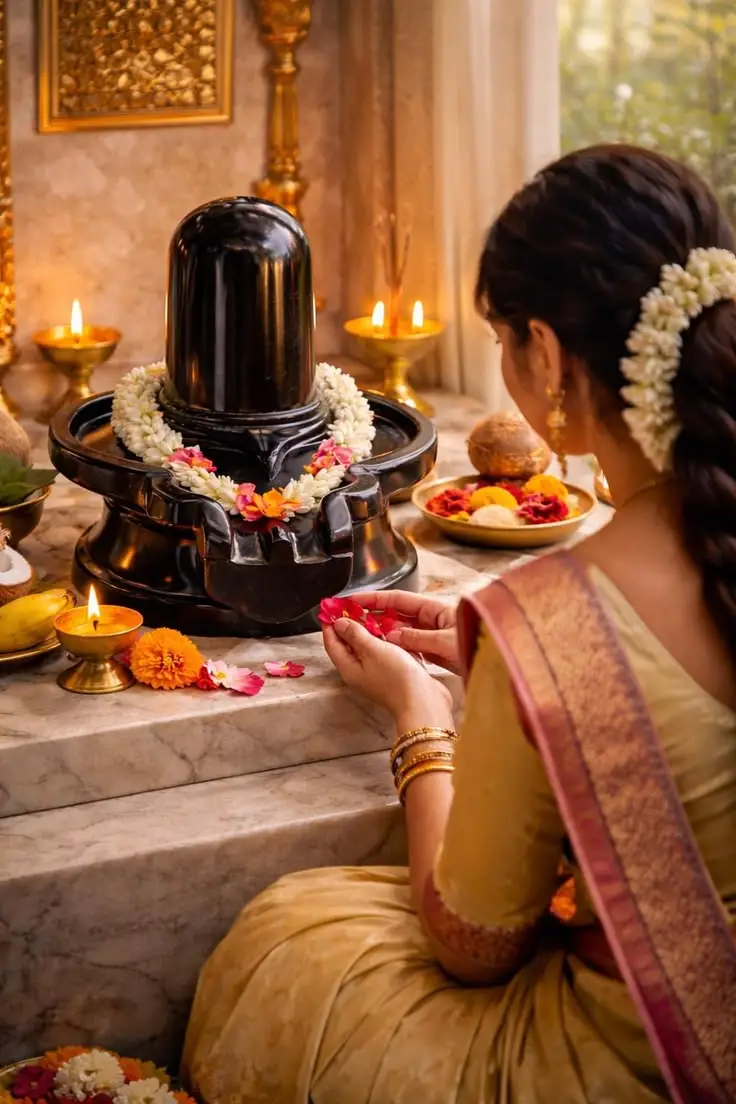
What is Shiva Puja?
Shiva Puja is a sacred Hindu worship ritual dedicated to Lord Shiva, one of the principal deities of the Hindu Trinity. Revered as the destroyer of negativity and the symbol of transformation, Lord Shiva represents inner peace, compassion, wisdom, and spiritual awakening. Devotees perform Shiva Puja to express their devotion, seek divine blessings, and pray for happiness, prosperity, protection, and liberation from life’s challenges.
During the puja, devotees offer sacred items such as water, milk, honey, curd, ghee, Bel Patra (Bilva leaves), white flowers, fruits, sandalwood paste, and incense to the Shivling. These offerings symbolize purity, gratitude, and surrender to the divine. Along with these rituals, chanting powerful mantras like “Om Namah Shivaya” and the Maha Mrityunjaya Mantra creates a peaceful atmosphere and deepens spiritual connection.
According to Hindu beliefs, worshipping Lord Shiva with sincerity helps remove negative energies, reduces mental stress, improves relationships, and inspires positive transformation. While Shiva Puja can be performed on any day, Mondays, Pradosh Vrat, Mahashivratri, and the holy month of Sawan are considered especially auspicious for receiving Mahadev’s blessings.
Why is Lord Shiva Worshipped?
Lord Shiva is worshipped because He represents the balance between creation, preservation, and transformation. Unlike material wealth alone, Lord Shiva’s blessings are believed to guide devotees toward inner strength, self-discipline, wisdom, and spiritual fulfillment.
Devotees pray to Lord Shiva for many reasons, including:
- Seeking peace of mind and emotional stability.
- Overcoming obstacles in personal and professional life.
- Praying for good health and protection.
- Strengthening family harmony and marital happiness.
- Achieving career growth and financial stability.
- Reducing the effects of negative planetary influences.
- Advancing on the path of spiritual growth and self-realization.
In Hindu tradition, Lord Shiva is known as Bholenath, the compassionate deity who is easily pleased by sincere devotion rather than elaborate rituals. Even simple offerings of clean water and Bel Patra made with genuine faith are believed to bring His divine grace.
Importance of Shiva Puja in Hindu Tradition
The tradition of Shiva worship has been followed for thousands of years and remains an integral part of Hindu culture. Ancient scriptures, including the Shiva Purana, Skanda Purana, and various Vedic texts, describe the spiritual importance of worshipping Lord Shiva with devotion and discipline.
Across India, famous temples such as Kashi Vishwanath, Somnath, Kedarnath, Mahakaleshwar, Omkareshwar, and other Jyotirlingas attract millions of devotees throughout the year. During Sawan, these temples witness a significant increase in pilgrims who travel long distances to perform Jal Abhishek and seek Mahadev’s blessings.
Beyond temples, Shiva Puja is also widely performed at homes, offices, and community spaces. Families organize the ritual to mark important milestones such as:
- Housewarming ceremonies (Griha Pravesh)
- New business openings
- Marriage anniversaries
- Birthdays
- Success in examinations
- Health-related prayers
- Peace and prosperity for the family
The simplicity and accessibility of Shiva worship make it one of the most cherished spiritual practices in Hinduism.
Why is Sawan the Most Auspicious Month for Shiva Puja?
The month of Sawan (Shravan) holds immense religious importance for devotees of Lord Shiva. According to Hindu mythology, during the Samudra Manthan (Churning of the Ocean), a deadly poison called Halahala emerged, threatening all creation. To protect the universe, Lord Shiva consumed the poison and held it in His throat, which turned blue, earning Him the name Neelkanth.
To reduce the intense heat generated by the poison, the gods offered sacred water to Lord Shiva. This act of devotion is believed to be the origin of the tradition of offering water during the month of Sawan. Even today, devotees perform Jal Abhishek with water collected from sacred rivers and offer milk, Bel Patra, and flowers while chanting Shiva mantras.
Sawan is also associated with devotion, fasting, self-discipline, and spiritual purification. Many devotees observe Sawan Somvar Vrat (Monday fasts), visit Shiva temples before sunrise, and participate in Rudrabhishek and Maha Mrityunjaya Jaap to seek blessings for health, prosperity, and happiness.
It is believed that prayers offered during this sacred month yield manifold spiritual benefits and help devotees strengthen their connection with Lord Shiva through sincere faith and devotion.
Benefits of Performing Shiva Puja During Sawan
Lord Shiva is worshipped as the embodiment of compassion, wisdom, and transformation. According to Hindu traditions, offering sincere prayers to Mahadev with faith and devotion helps devotees experience both spiritual and emotional well-being. While every devotee may have a unique purpose for performing Shiva Puja, the ritual is commonly observed to seek divine guidance, remove negativity, and invite peace and prosperity into life.
Brings Mental Peace and Inner Strength
Modern life often brings stress, anxiety, and uncertainty. Chanting Lord Shiva's sacred mantras while performing puja creates a calm and positive environment. Devotees believe that regular worship helps develop patience, emotional balance, and inner confidence, allowing them to face life's challenges with greater resilience.
Removes Obstacles from Life
Lord Shiva is revered as the remover of ignorance and negative influences. Many devotees perform Shiva Puja before beginning important milestones such as a new business, housewarming ceremony, marriage, or career opportunity. Worshipping Mahadev with sincerity is believed to help overcome obstacles and open the path toward positive growth.
Promotes Good Health and Well-being
The sacred vibrations created through mantra chanting, Rudrabhishek, and Maha Mrityunjaya Jaap are believed to promote physical, mental, and spiritual wellness. Families often organize Shiva Puja to pray for the health and long life of loved ones.
Strengthens Family Relationships
Shiva and Goddess Parvati symbolize the ideal balance of love, respect, and harmony. Many couples and families perform Shiva Puja seeking blessings for stronger relationships, marital happiness, mutual understanding, and domestic peace.
Supports Career and Financial Stability
Business owners, professionals, and students frequently seek Lord Shiva's blessings before starting new ventures or important projects. Devotees believe that sincere worship encourages clarity of thought, confidence, and steady progress toward professional and financial goals.
Encourages Spiritual Growth
Beyond material benefits, Shiva Puja inspires self-discipline, humility, and devotion. It encourages devotees to cultivate compassion, truthfulness, and inner awareness, helping them progress on the path of spiritual awakening.
Complete Shiva Puja Vidhi (Step-by-Step)
Clean the Worship Area
Begin by cleaning the puja space and taking a bath. Wear clean, preferably light-colored or traditional clothes, and arrange the Shivling or Lord Shiva’s idol on a clean altar.
Make a Sankalp
Sit peacefully before the Shivling and offer a heartfelt prayer. Take a Sankalp by expressing your intention for the puja, whether it is for health, family happiness, prosperity, gratitude, or spiritual growth.
Offer Jal Abhishek
Pour clean water over the Shivling while chanting “Om Namah Shivaya.” Water symbolizes purity and devotion and is considered one of the most important offerings during Shiva worship.
Perform Panchamrit Abhishek
- Milk
- Curd
- Honey
- Ghee
- Sugar
These five ingredients together form Panchamrit, representing purity, nourishment, prosperity, sweetness, and abundance.
Offer Bel Patra
Bel Patra (Bilva leaves) is considered Lord Shiva’s most beloved offering. Before placing the leaves on the Shivling: Wash them with clean water. Use fresh, undamaged leaves. Offer them with devotion while chanting Shiva’s name.
Offer Flowers and Fruits
White flowers, seasonal fruits, sandalwood paste, and sacred ash (Vibhuti) may also be offered as symbols of purity and gratitude.
Light Incense and a Diya
Lighting incense sticks and a ghee lamp symbolizes the removal of darkness and the arrival of divine knowledge and positivity.
Chant Shiva Mantras
Spend a few minutes chanting: Om Namah Shivaya Maha Mrityunjaya Mantra Even chanting these mantras 108 times with concentration is considered highly auspicious.
Perform Shiva Aarti & Prasad
Conclude the ritual by singing Shiva Aarti and offering light before the deity. Offer fruits or sweets to Lord Shiva and distribute them among family members as Prasad, symbolizing divine blessings.
Shiva Puja Samagri List
Preparing the required puja items in advance helps ensure that the ritual is performed smoothly and with devotion.
Puja Item | Spiritual Significance |
Clean Water | Purification and devotion |
Milk | Prosperity and purity |
Curd | Peace and nourishment |
Honey | Sweetness in life |
Ghee | Prosperity and positive energy |
Sugar | Happiness and harmony |
Panchamrit | Sacred offering |
Bel Patra | Lord Shiva’s favorite offering |
White Flowers | Purity and devotion |
Sandalwood Paste | Fragrance and respect |
Incense Sticks | Positive vibrations |
Ghee Lamp | Removal of darkness |
Seasonal Fruits | Gratitude |
Coconut | Auspiciousness |
Vibhuti (Sacred Ash) | Spiritual wisdom |
Rudraksha Mala | Meditation and mantra chanting |
Powerful Shiva Mantras
Mantra chanting is one of the most meaningful parts of Shiva Puja. Reciting sacred mantras with faith helps devotees focus their minds and deepen their connection with Lord Shiva.
Om Namah Shivaya ॐ नमः शिवाय
This is the Panchakshari Mantra and one of the most widely chanted Shiva mantras. It expresses complete surrender and devotion to Lord Shiva and is believed to bring peace, clarity, and spiritual strength.
Maha Mrityunjaya Mantra
The Maha Mrityunjaya Mantra is traditionally chanted to pray for health, protection, longevity, and inner courage. Many families include this mantra during Shiva Puja, Rudrabhishek, and special religious ceremonies.
Shiva Gayatri Mantra
The Shiva Gayatri Mantra is recited by devotees seeking wisdom, spiritual insight, and divine blessings. Regular chanting is believed to strengthen concentration and cultivate inner peace.
Best Time to Perform Shiva Puja
- Every Monday (Somvar)
- Sawan Mondays
- Mahashivratri
- Pradosh Vrat
- During Brahma Muhurta or early morning
- Evening Pradosh Kaal
Many devotees also choose to perform Shiva Puja before significant life events such as marriage, Griha Pravesh, birthdays, anniversaries, business inaugurations, or to express gratitude for important milestones.
Shiva Abhishek: A Sacred Ritual to Seek Lord Shiva's Divine Blessings
Among all the forms of Lord Shiva worship, Shiva Abhishek is regarded as one of the most sacred and spiritually uplifting rituals. The word Abhishek means “ceremonial bathing.” During this ritual, the Shivling is bathed with holy offerings while Vedic mantras are chanted to invoke Lord Shiva’s blessings.
Shiva Abhishek is more than a religious tradition. It is a symbolic act of surrender, gratitude, and purification. Every offering made during the Abhishek represents a positive intention, helping devotees cultivate humility, devotion, and inner peace. Whether performed during the holy month of Sawan, on Mahashivratri, or on a Monday, this ritual holds immense significance in Hindu tradition.
Many families arrange Shiva Abhishek to pray for good health, family harmony, career growth, business success, spiritual progress, or simply to express gratitude to Lord Shiva.
Spiritual Importance of Shiva Abhishek
According to Hindu scriptures, offering sacred substances to the Shivling symbolizes cleansing the mind, body, and soul. The ritual reminds devotees to let go of anger, ego, greed, and negativity while embracing compassion, patience, and devotion.
Each offering carries its own symbolic meaning:
Services Available in Delhi
Water (Jal)
Purity, peace, and the removal of negativity.
Milk
Devotion, nourishment, and prosperity.
Curd (Yogurt):
Health, happiness, and emotional balance.
Honey
Sweetness in speech and relationships.
Ghee
Positive energy, spiritual growth, and abundance.
Sugar
Joy, harmony, and contentment
Panchamrit
Represents completeness and divine blessings.
Bel Patra
One of Lord Shiva's most beloved offerings, symbolizing purity and unwavering devotion.
While these offerings are important, Hindu teachings emphasize that genuine faith and a sincere heart are the most valuable offerings of all.
Types of Shiva Abhishek
Different forms of Shiva Abhishek are performed based on the occasion, family traditions, and spiritual intentions.
Jal Abhishek
This is the simplest and most commonly performed ritual. Devotees pour clean water over the Shivling while chanting "Om Namah Shivaya." It is especially popular during Sawan Mondays and Mahashivratri.
Dugdh Abhishek (Milk Abhishek)
Milk symbolizes purity, nourishment, and prosperity. Devotees offer milk while praying for peace, family well-being, and spiritual progress.
Panchamrit Abhishek
In this ritual, the Shivling is bathed with a sacred mixture of milk, curd, honey, ghee, and sugar. Panchamrit Abhishek is often performed during birthdays, anniversaries, Griha Pravesh ceremonies, and other auspicious occasions.
Rudrabhishek
Rudrabhishek is one of the most revered Vedic rituals dedicated to Lord Shiva. It combines Abhishek with the chanting of sacred hymns from the Shri Rudram section of the Yajurveda. This ceremony is widely performed to seek protection, peace, prosperity, and spiritual blessings.
Benefits of Shiva Abhishek
Devotees perform Shiva Abhishek with different prayers and intentions, but the ritual is traditionally associated with several spiritual benefits.
Invites Peace and Positivity
The chanting of Vedic mantras and the sacred atmosphere created during the ritual help cultivate inner calm, positivity, and emotional balance.
Promotes Family Harmony
Many families organize Shiva Abhishek to pray for unity, mutual understanding, and lasting happiness among loved ones.
Encourages Spiritual Growth
The ritual inspires devotees to strengthen their faith, practice self-discipline, and deepen their connection with Lord Shiva.
Supports Personal and Professional Growth
Students, professionals, and business owners often perform Shiva Abhishek before beginning important milestones, seeking wisdom, confidence, and steady progress.
Prays for Health and Well-being
Many devotees include the Maha Mrityunjaya Mantra during the ceremony to pray for good health, protection, and longevity.
Rudrabhishek in Sawan: One of the Most Powerful Shiva Rituals
Among all Shiva worship ceremonies, Rudrabhishek holds a special place, particularly during the holy month of Sawan. This sacred ritual combines Abhishek with the chanting of powerful Vedic hymns dedicated to Lord Rudra, a fierce yet compassionate form of Lord Shiva.
The ceremony is performed by qualified Vedic pandits who recite sacred mantras while continuously offering water, milk, Panchamrit, Bel Patra, flowers, and other traditional offerings to the Shivling.
According to Hindu beliefs, the spiritual energy generated through Rudrabhishek creates an atmosphere of peace, devotion, and positivity, making it one of the most sought-after rituals during Shravan.
Why Do Devotees Perform Rudrabhishek?
People choose Rudrabhishek for many different reasons, including:
- Praying for peace and happiness.
- Seeking strength during difficult phases of life.
- Beginning a new business or career.
- Celebrating birthdays and anniversaries.
- Housewarming ceremonies
- Family prosperity and well-being.
- Spiritual purification
- Expressing gratitude to Lord Shiva
The ritual is performed with the understanding that sincere devotion, rather than material offerings alone, is what pleases Mahadev.
Maha Mrityunjaya Jaap: A Prayer for Health, Strength, and Inner Courage
The Maha Mrityunjaya Mantra is one of the oldest and most revered mantras found in the Vedas. It is dedicated to Lord Shiva and is traditionally chanted as a prayer for health, protection, healing, and spiritual strength.
Many devotees organize Maha Mrityunjaya Jaap during Sawan, Mahashivratri, birthdays, anniversaries, or when praying for the well-being of family members.
The mantra is often recited:
- 108 times
- 1,008 times
- 11 malas
- 21 malas
The focus of this practice is not merely repetition but cultivating unwavering faith and devotion while seeking Lord Shiva’s blessings.
Who Should Perform Shiva Puja, Shiva Abhishek, or Rudrabhishek?
There is no restriction based on age or profession. Anyone with sincere devotion may participate in these sacred rituals.
These ceremonies are especially popular among:
- Families praying for peace and prosperity
- Newly married couples
- Parents seeking blessings for their children
- Students before important examinations
- Professionals beginning a new career
- Business owners starting new ventures
- Families performing Griha Pravesh
- Devotees observing Sawan Somvar Vrat
- Anyone wishing to strengthen their spiritual connection with Lord Shiva
Whether performed at a temple, at home, or through an online guided ceremony, the essence of Shiva worship remains the same—faith, humility, and devotion.
Why Choose Puja Paath Hawan for Shiva Puja?
Performing Shiva Puja is a deeply spiritual experience, and every ritual should be conducted with devotion, authenticity, and proper Vedic procedures. At Puja Paath Hawan, we are committed to helping devotees perform sacred Shiva worship with experienced Vedic pandits who follow traditional Hindu scriptures while making the process simple and convenient for modern families.
Whether you wish to perform Shiva Puja, Shiva Abhishek, Rudrabhishek, or Maha Mrityunjaya Jaap, our team ensures that every ceremony is conducted with sincerity, precision, and complete respect for ancient traditions.
Experienced Vedic Pandits
Our qualified pandits have years of experience conducting religious ceremonies according to authentic Vedic rituals. Every mantra is chanted with proper pronunciation, and each step of the puja is performed in the correct sequence, preserving the sanctity of the ceremony.
Complete Puja Samagri Arrangements
You don't have to worry about collecting ritual items. We arrange all the necessary puja samagri, including: • Shivling (if required) • Holy water • Milk and Panchamrit ingredients • Bel Patra • Flowers • Fruits • Incense sticks • Ghee lamp • Kalash • Sacred threads • Hawan samagri Everything is prepared before the ceremony begins, allowing you to focus on your prayers.
Home Shiva Puja Services
Many devotees prefer performing Shiva Puja in the comfort of their homes. Our pandits travel to your location with all the required puja materials and conduct the ceremony according to Vedic traditions. Home pujas are ideal for: • Griha Pravesh (Housewarming) • Birthdays • Marriage anniversaries • Family peace and prosperity • Business inauguration • Sawan Mondays • Mahashivratri • Personal spiritual growth
Online Shiva Puja Booking
If you are unable to attend a temple or invite a pandit to your home, you can still participate in an authentic Shiva Puja through our online booking service. Our online puja option allows devotees from anywhere in India or abroad to join the ceremony through live video participation, ensuring they remain spiritually connected throughout the ritual.
Personalized Rituals
Every family has unique spiritual needs. Whether you wish to perform a simple Shiva Puja or a detailed Rudrabhishek with Maha Mrityunjaya Jaap, we customize the ceremony according to your preferences and religious traditions.
Transparent Booking Process
We believe that booking a religious ceremony should be simple and stress-free. Our team provides clear guidance regarding the puja process, required preparations, available dates, and complete arrangements before the ceremony.
How to Book Shiva Puja Online
Booking a Shiva Puja with Puja Paath Hawan is simple and convenient.
Contact Our Team
Reach out through our website or phone to discuss your requirements. Let us know the type of puja, preferred date, location, and any special requests.
Choose Your Puja
Select the ceremony that best suits your needs, such as: • Shiva Puja • Shiva Abhishek • Rudrabhishek • Maha Mrityunjaya Jaap • Sawan Special Shiva Puja
Confirm the Date
Our team will coordinate with you to finalize a suitable date and time based on your convenience and auspicious muhurat, if required.
Puja Preparation
We arrange the required puja samagri and assign experienced Vedic pandits for the ceremony.
Participate with Devotion
Whether the puja is conducted at your home or online, you and your family can actively participate while our pandits guide you through every step.
🙏 Complete Your Booking Details
Why Devotees Trust Puja Paath Hawan
Thousands of families choose Puja Paath Hawan because we combine traditional Vedic knowledge with professional service.
Our commitment includes:
- Authentic Vedic rituals
- Experienced and knowledgeable pandits
- Complete puja arrangements
- Home and online puja services
- Personalized guidance
- Transparent communication
- Respect for every family’s traditions
- Timely and organized ceremonies
Our goal is not only to perform a ritual but also to help devotees experience the spiritual peace, devotion, and blessings associated with Lord Shiva’s worship.
FAQs: Pavitra Shiva Puja in Sawan
Shiva Puja is a sacred Hindu ritual dedicated to Lord Shiva. Devotees offer water, milk, Bel Patra, flowers, and prayers to seek blessings for peace, prosperity, good health, and spiritual growth.
The month of Sawan (Shravan) is considered especially dear to Lord Shiva. It is believed that worship performed during this sacred month brings greater spiritual merit and fulfills sincere prayers.
Yes. Shiva Puja can be performed at home with proper devotion and the required puja samagri. Many families also invite experienced Vedic pandits to conduct the ceremony according to traditional rituals.
Common items include:
- Holy water
- Milk
- Honey
- Curd
- Ghee
- Sugar
- Panchamrit
- Bel Patra
- White flowers
- Fruits
- Incense sticks
- Ghee lamp
- Sandalwood paste
- Coconut
Shiva Abhishek is the ceremonial bathing of the Shivling with sacred offerings such as water, milk, curd, honey, ghee, and Panchamrit while chanting Vedic mantras.
Rudrabhishek is a special Vedic ritual in which the sacred hymns of Shri Rudram are recited while performing Abhishek of the Shivling. It is considered one of the most powerful forms of Lord Shiva worship.
Although Shiva Puja can be performed any day, Mondays, Sawan Somvar, Pradosh Vrat, and Mahashivratri are regarded as the most auspicious occasions.
No. Fasting is a personal spiritual practice. Devotion, sincerity, and faith are considered more important than fasting alone.
Yes. Women can perform Shiva Puja with devotion according to their family traditions and personal beliefs.
Bel Patra is considered one of Lord Shiva’s most sacred offerings. It symbolizes purity, devotion, and respect toward Mahadev.
A simple Shiva Puja usually takes around one to two hours. Elaborate rituals such as Rudrabhishek and Maha Mrityunjaya Jaap may take longer depending on the ceremony.
Yes. Puja Paath Hawan offers online Shiva Puja booking, allowing devotees to participate from anywhere in India or abroad through guided or live arrangements.
It is one of the most sacred Vedic mantras dedicated to Lord Shiva and is traditionally chanted to pray for health, protection, longevity, and inner strength.
Many devotees perform Shiva Puja before starting a new business, office, or professional journey to seek blessings for wisdom, stability, and success.
Experienced pandits ensure that every mantra, offering, and ritual is performed according to authentic Vedic traditions, making the ceremony spiritually meaningful.
Final Thought
Lord Shiva is worshipped as the symbol of compassion, wisdom, transformation, and divine consciousness. Performing Shiva Puja with faith and sincerity is not merely a religious ritual but a meaningful way to cultivate inner peace, gratitude, and spiritual strength. Whether you choose to perform a simple daily puja, a sacred Shiva Abhishek, or a powerful Rudrabhishek during the holy month of Sawan, the essence of the worship lies in heartfelt devotion and a pure intention.
At Puja Paath Hawan, we are dedicated to preserving the authenticity of Vedic traditions while making sacred rituals accessible to modern families. Our experienced pandits conduct Shiva Puja, Rudrabhishek, Maha Mrityunjaya Jaap, and other religious ceremonies with complete devotion, proper Vedic procedures, and personalized guidance.
Whether you are planning a home puja, celebrating an auspicious occasion, or seeking blessings during Sawan, our team is here to help you perform every ritual with faith, simplicity, and spiritual significance.
May Lord Shiva bless you and your family with good health, peace, prosperity, wisdom, and divine grace.
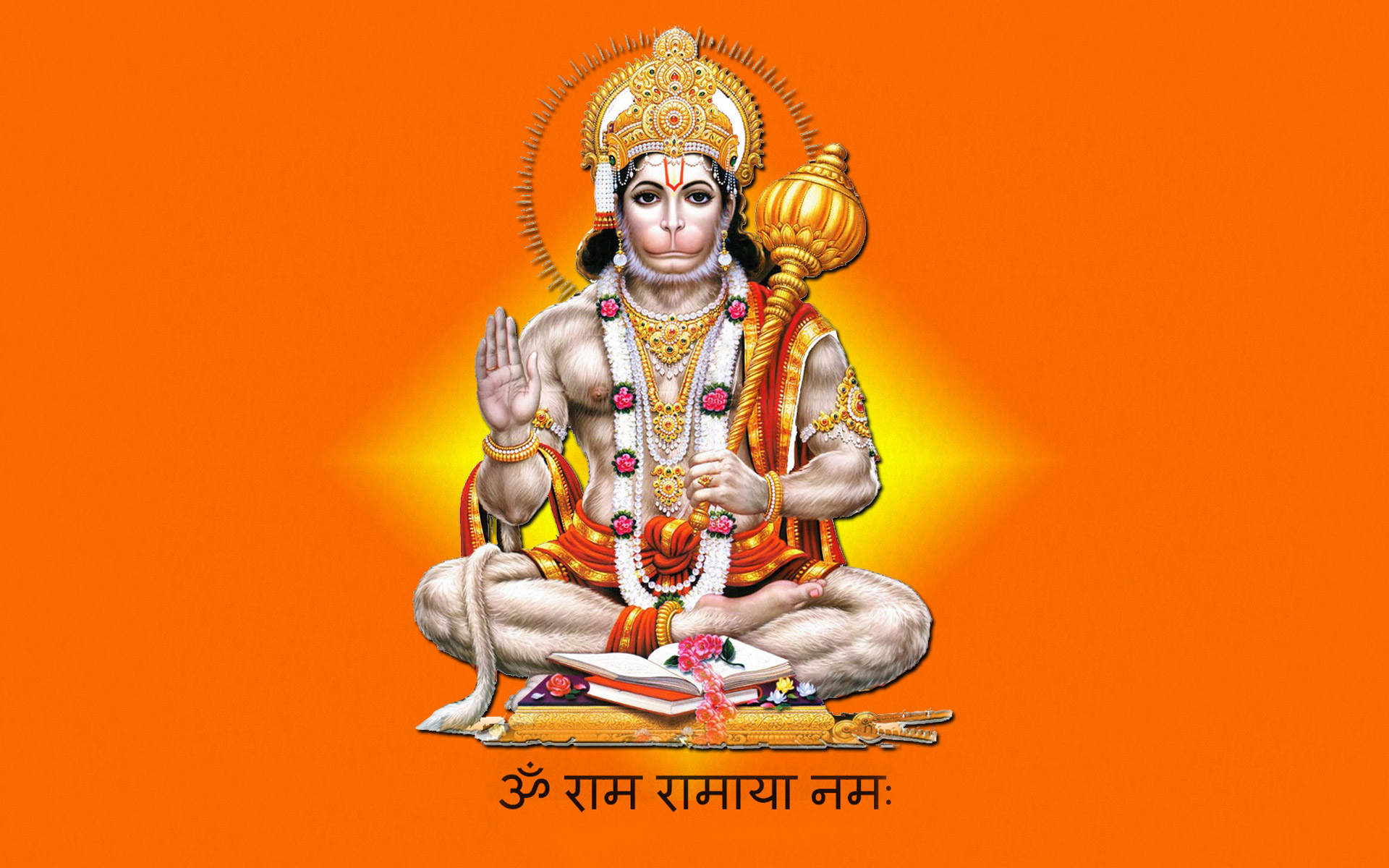
Sundarkand Path
Depicts Hanuman’s selfless devotion and unmatched courage, guiding devotees toward strength .
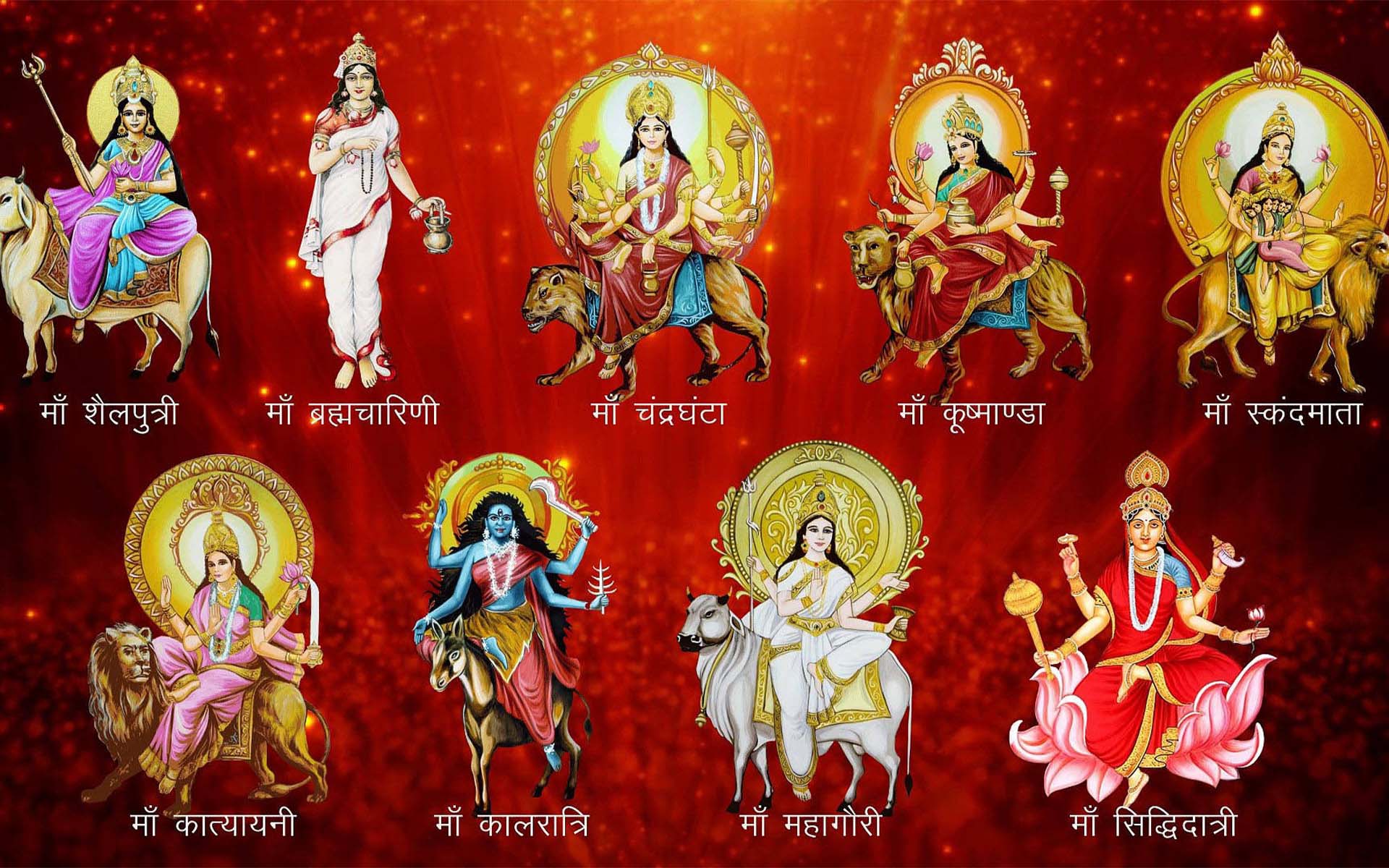
Nav Durga Path
A sacred ritual invoking the nine forms of Goddess Durga for strength, protection
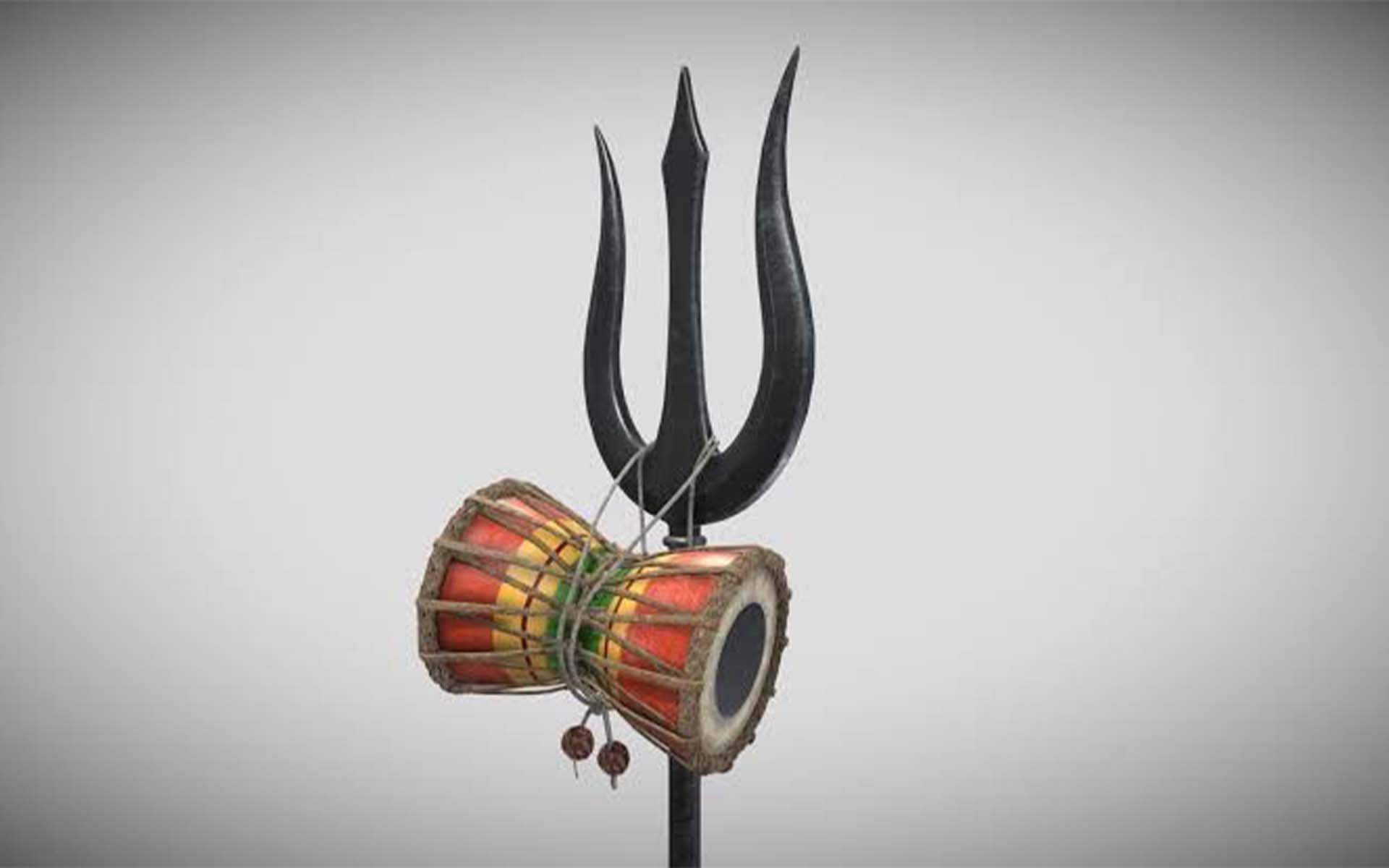
Pavitra Shiva Puja's
A sacred worship dedicated to Lord Shiva during the holy month of Sawan, seeking strength
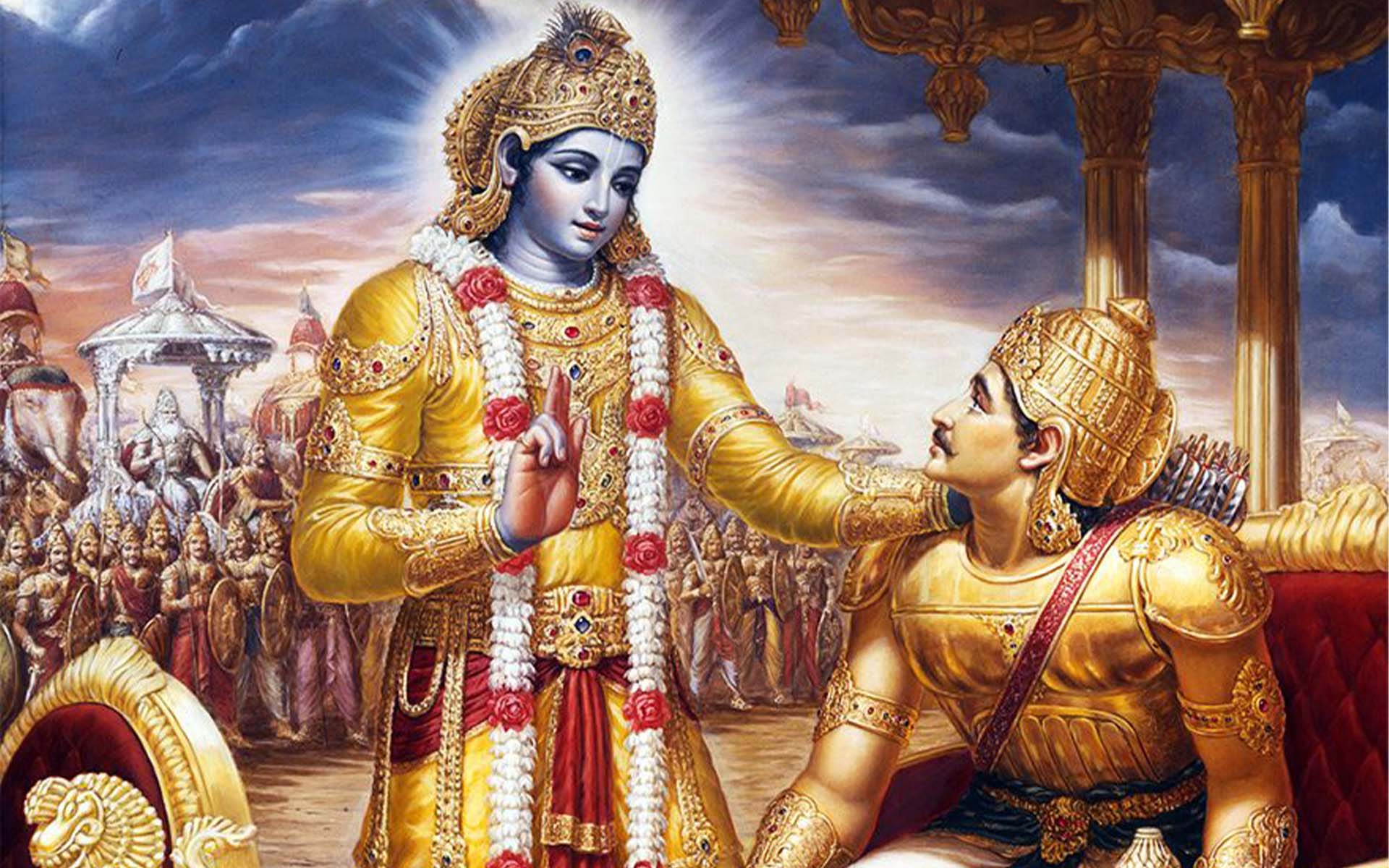
Bhagavad Gita
A sacred recitation of Lord Krishna’s divine teachings that guide the soul toward wisdom